
In today’s fast-paced world, meditation is no longer just a niche practice—it’s becoming an essential tool for mental wellness. But did you know that meditation doesn’t just make you feel calmer—it can actually physically change your brain structure?
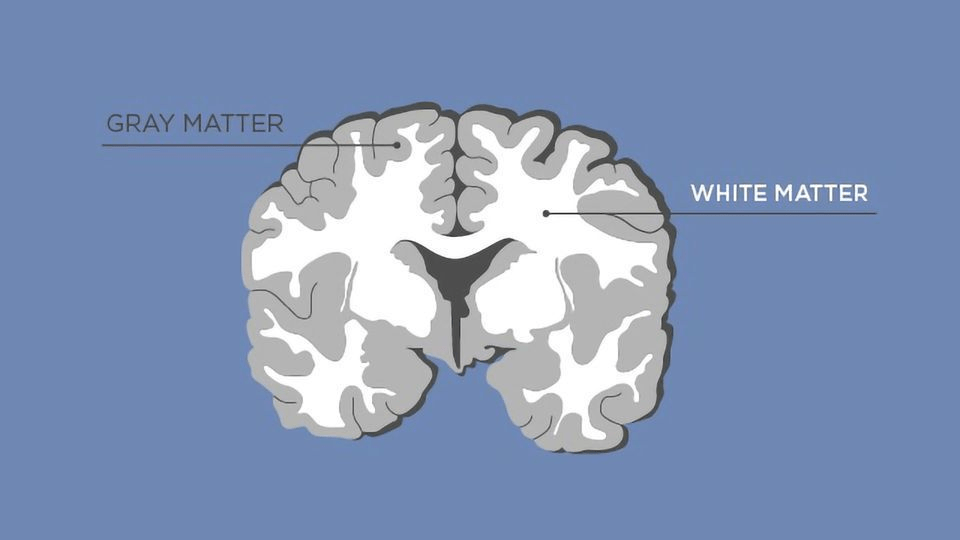
A growing body of scientific research shows that meditation can increase the amount of gray matter in the brain, improving focus, emotional regulation, memory, and even slowing down brain aging.
Let’s dive into how meditation reshapes the mind at a neural level.
What Is Gray Matter?
The brain is made up of gray matter and white matter:
- Gray matter contains most of the brain’s neuronal cell bodies. It’s responsible for processing information, decision-making, emotions, and memory.
- White matter connects different parts of the brain, allowing signals to travel quickly between regions.
In short, more gray matter generally means sharper cognitive abilities and better emotional stability.
Scientific Findings: How Meditation Increases Gray Matter
Over the past decade, neuroscientists have used MRI scans to uncover how meditation transforms the brain.
One famous study from Harvard University (2011) found that:
- After just eight weeks of mindfulness meditation, participants showed increased gray matter density in the hippocampus (associated with learning and memory) and the prefrontal cortex (linked to self-awareness and decision-making).
- They also saw a decrease in gray matter in the amygdala, the region involved in stress and anxiety—correlating with reduced stress levels.
A 2020 meta-analysis published in Brain Sciences reviewed over 20 MRI studies and confirmed:
- Meditators consistently had more gray matter in regions tied to emotional regulation, attention, and sensory processing.
- Long-term meditators even showed signs of slower brain aging compared to non-meditators.
How Does Meditation Physically Change the Brain?
Researchers suggest several mechanisms:
- Enhanced Neuroplasticity
Meditation stimulates neuroplasticity—the brain’s ability to reorganize itself by forming new neural connections. - Increased Growth Factors
Meditation may boost the production of growth factors that support new neurons and strengthen existing neural pathways. - Reduced Stress Hormones
Meditation lowers cortisol levels, protecting the brain from stress-induced gray matter loss.
How You Can Boost Your Brain Through Meditation
If you want to strengthen your brain’s gray matter, here’s how to start:
1. Dedicate 10–20 Minutes Daily
Begin with 10 minutes a day and gradually build up. Consistency is more important than duration.
2. Choose a Style That Resonates
- Mindful breathing
- Body scan meditation
- Loving-kindness meditation
Find a method that feels sustainable for you.
3. Stay Consistent
Daily practice, even if brief, leads to real structural changes over time.
4. Adopt a Non-Judgmental Mindset
When your mind wanders (which it will), simply bring your focus back—without self-criticism.
Final Thoughts
Meditation isn’t just about “relaxing”—it’s a powerful tool that literally reshapes your brain.
By increasing gray matter, meditation enhances learning, memory, emotional balance, and resilience.
Whether you want to boost your cognitive performance or simply feel more grounded in daily life, carving out just a few minutes each day to meditate could be one of the most valuable investments you make in yourself.
Start today. Your future brain will thank you. 🧠✨
 Wantun Media