
Have you ever wondered:
We take supplements every day, but how much is actually absorbed and used by our bodies?
Why do some premium supplements still deliver disappointing results?
You might have heard of the “ingredient list,” but have you ever looked into bioavailability?
Today, we reveal one of the supplement industry’s most critical yet often-overlooked secrets — Bioavailability.
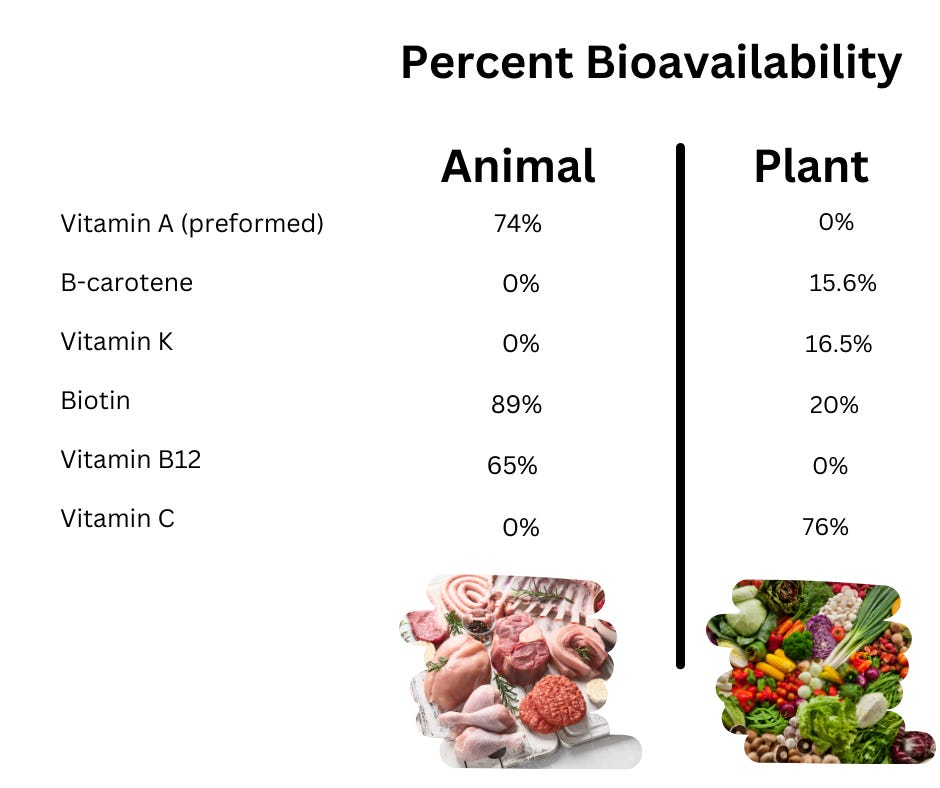
🧠 What is Bioavailability?
Bioavailability refers to the degree and rate at which a nutrient or supplement is absorbed into the bloodstream and becomes available for use by the body.
It’s not about how much you take — it’s about how much your body can actually use.
🚨 Why Do Consumers Often Get Misled?
Many supplement brands highlight the ingredient dosage on the label, but rarely explain whether those nutrients can be effectively absorbed by your body.
For example:
- A product with glutathione ≠ actually raises glutathione levels in your cells
- Rich in NMN ≠ directly activates longevity genes
- Iron, calcium, or vitamin C — without proper absorption, it’s as good as wasted
It’s not just about what’s inside — but whether it’s in a form your body can absorb and use.
🔍 Four Scientific Factors That Determine Bioavailability
1️⃣ Molecular Form: Not All Nutrients Are Created Equal
Some nutrients come in active vs. inactive forms — only the active form can be directly utilized by your body.
| Nutrient | Active Form | Inactive Form | Why It Matters |
|---|---|---|---|
| Folic Acid | 5-MTHF | Synthetic folic acid | Synthetic forms require liver conversion, which is inefficient and varies between individuals |
| Vitamin B12 | Methylcobalamin | Cyanocobalamin | The active form goes directly into cells; the other needs to be converted |
| Omega-3 | Phospholipid DHA | Fish oil triglycerides | Up to 2–4x higher absorption |
2️⃣ Delivery Format & Technology: Can It Survive the Journey?
- Liposomal Technology
→ Wraps nutrients in fat bubbles to survive stomach acid and reach the intestines
→ Great for glutathione, vitamin C, NMN - Microencapsulation
→ Delivers probiotics or enzymes in timed-release shells to improve survival rate - Nanoemulsion
→ Breaks fat-soluble molecules (like CBD, CoQ10) into tiny droplets to improve solubility and absorption
3️⃣ Human Physiology: What Happens From Intake to Action?
Ingestion → Digestion → Absorption → Bloodstream → Cellular Uptake → Elimination
Example:
Standard glutathione is nearly destroyed by stomach acid and never reaches your bloodstream.
Liposomal glutathione? It bypasses digestion and enters circulation, with up to 10x better bioavailability.
4️⃣ Synergistic Absorption: Nutrients Work Together — or Against Each Other
- Iron + Vitamin C = 3x better iron absorption
- Magnesium + B6 = Better for nerve support
- Excess zinc = Blocks copper absorption → may cause deficiency
- Too much calcium + phosphorus = Inhibits magnesium uptake → affects muscles, nerves
A good formula understands synergy, while poor ones just stack ingredients.
🧬 What Does Real Science Say?
| Nutrient | Technology | Absorption Boost | Source |
|---|---|---|---|
| Vitamin C | Liposomal | 2–3x higher | Pharmacology Research, 2016 |
| Glutathione | Liposomal | 10x higher | Redox Biology, 2018 |
| Omega-3 | Phospholipid | 2–4x higher | AJCN, 2010 |
| NMN | Microencapsulated | 4.5x higher | Cell Metabolism, 2019 |
💡 So What Should You REALLY Look For?
❌ “This product contains 1000mg of Vitamin C”
✅ “This Vitamin C is liposomal — which means your body can absorb 3x more of it”
📣 How Brands & Creators Can Use “Bioavailability” to Educate and Stand Out
🔸 Messaging to Educate Consumers:
- “We don’t just add ingredients — we deliver them in forms your body can actually use.”
- “We design our formulas for absorption and synergy, not just to look good on the label.”
🔸 Competitive Content Strategy:
- “Don’t just look at the ingredient list — most folic acid supplements are 99% unabsorbed.”
- “We use clinically validated liposomal delivery, with up to 10x absorption compared to ordinary products.”
Learn more about us: http://www.wantunmedia.com
 Wantun Media