
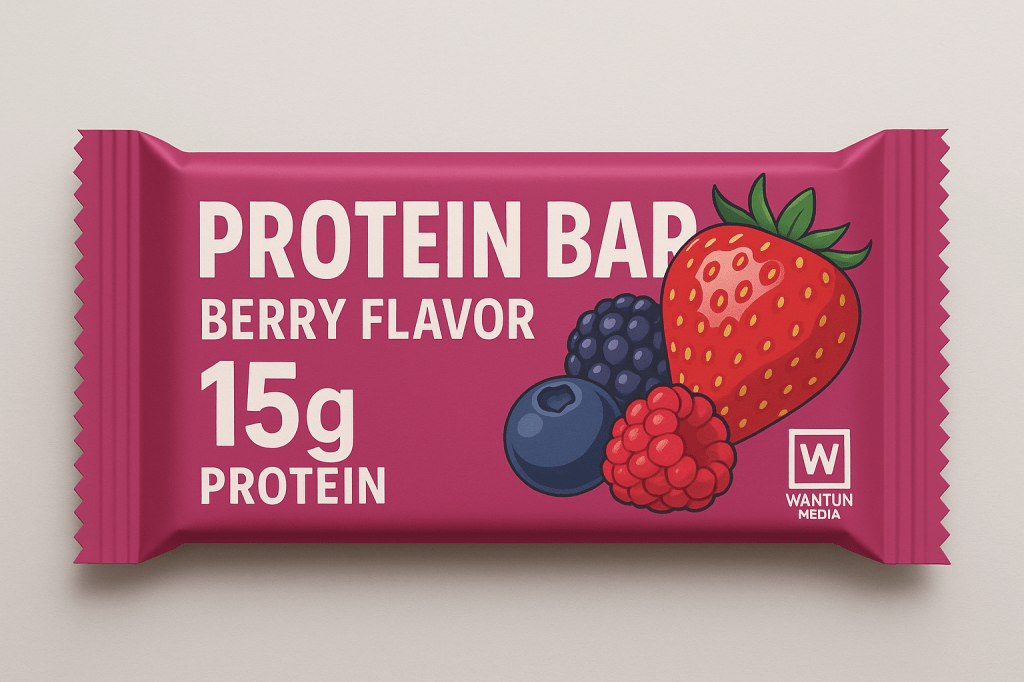
Protein bars have become a go-to snack for health-conscious consumers looking for convenient nutrition. In Singapore, the average retail price of a protein bar is about SGD 5. But as consumer awareness grows and health products become more mainstream, it’s worth asking: Is this price truly justified—or are consumers paying for excessive marketing and retail markups rather than actual nutritional value?
Let’s break down the protein bar value chain and see what a fair price might really be.
1. Cost Breakdown of a Protein Bar
A typical 60g protein bar contains the following components:
Raw Materials
- Whey Protein (15g @ SGD 10/kg): SGD 0.15
- Sugar (12g @ SGD 2/kg): SGD 0.024
- Nuts/Seeds (5g @ SGD 8/kg): SGD 0.04
- Fiber (5g @ SGD 5/kg): SGD 0.025
- Flavorings (1g @ SGD 50/kg): SGD 0.05
➡ Total Raw Material Cost: SGD 0.289
Processing and Packaging
- Manufacturing & Labor: SGD 0.15
- Packaging: SGD 0.10
Logistics
- Transport & Distribution: SGD 0.15
Marketing
- Brand Promotion, KOLs, Ads: SGD 0.20
Retailer Markup
- 30% Margin on Wholesale Price: ≈ SGD 0.225
2. Total Estimated Cost vs Retail Price
Adding everything up, the total cost to produce and distribute a protein bar is approximately:
SGD 0.289 (ingredients) + 0.15 (processing) + 0.10 (packaging) + 0.15 (logistics) + 0.20 (marketing) = SGD 0.889
After a 30% retailer markup (≈ SGD 0.225), we land at:
👉 Total: ~SGD 1.11
Yet the final retail price is SGD 5.00, which implies a markup of over 4.5x the actual cost.
3. Is the SGD 5 Price Tag Justified?
Clearly, the price gap between production and retail is wide—and marketing plays an outsized role. With SGD 0.20 spent on average per bar for brand awareness, influencer partnerships, and social media advertising, the burden of these expenses ultimately falls on the consumer.
Additionally, retailers apply significant markups to maintain their own profit margins, which further inflates the final price.
4. Are There Better Alternatives?
Yes—particularly private label or direct-to-consumer (DTC) options. Retailers like Sam’s Club offer in-house protein bars that skip most marketing expenses and use more streamlined distribution. These products can offer comparable nutrition at significantly lower prices, because the business model focuses on passing savings directly to the consumer.
5. Can the Market Offer Affordable, High-Quality Nutrition?
Absolutely. The dietary supplement and functional food sectors serve many consumers with real health goals—from fitness to medical nutrition. However, affordability is key to building long-term habits. The current pricing model, which heavily prioritizes branding and shelf placement over cost-efficiency, is unsustainable for mass-market access.
Brands that want to build genuine trust and longevity should consider lowering marketing overhead, simplifying the supply chain, and adopting more transparent pricing strategies.
Conclusion: The SGD 5 Protein Bar Is Overpriced
While a high-quality protein bar should never be “cheap,” the current market pricing in Singapore is disproportionately inflated by marketing expenses and retail markups. In truth, a well-made protein bar can be produced and sold profitably at SGD 2–2.50—half the current average.
As consumers grow more informed, there is an opportunity for brands to shift toward value-driven models that prioritize trust, transparency, and true nutritional benefit—not just clever packaging and influencer campaigns. The future of functional foods lies not in hype, but in honest health.
 Wantun Media